Common Skincare Myths Debunked by Chennai's Leading Dermatologists


Understanding Skincare Myths
Skincare is a vital part of our daily routine, yet it's surrounded by numerous myths that can lead to confusion and even harm. To help clear the air, Chennai's leading dermatologists have come together to debunk some of the most common skincare myths. By understanding the truths behind these misconceptions, you can make informed decisions for healthier skin.

Myth 1: Oily Skin Doesn’t Need Moisturizer
A prevalent myth is that people with oily skin should skip moisturizer. This couldn't be further from the truth. Skipping moisturizer can actually lead to more oil production as the skin tries to compensate for the lack of moisture. Dermatologists recommend using a lightweight, oil-free moisturizer to keep oily skin hydrated without clogging pores.
Myth 2: Sunscreen Is Only for Sunny Days
Many believe sunscreen is unnecessary on cloudy days or indoors, but UV rays can penetrate clouds and windows, causing damage to unprotected skin. Wearing sunscreen daily is crucial to protect against harmful UV rays, prevent premature aging, and reduce the risk of skin cancer. Opt for a broad-spectrum sunscreen with at least SPF 30.

Myth 3: Natural Ingredients Are Always Better
While natural ingredients can be beneficial, they are not automatically superior to synthetic ones. Some natural ingredients may cause allergic reactions or irritate sensitive skin. Dermatologists suggest researching and testing products on a small patch of skin to ensure suitability, regardless of whether they are natural or synthetic.
Decoding Anti-Aging Myths
Myth 4: Expensive Products Are More Effective
A common misconception is that higher-priced skincare products guarantee better results. Dermatologists emphasize that effectiveness depends on the ingredients and formulation, not the price tag. Affordable products with proven ingredients like retinoids, hyaluronic acid, and vitamin C can be just as effective as their pricier counterparts.
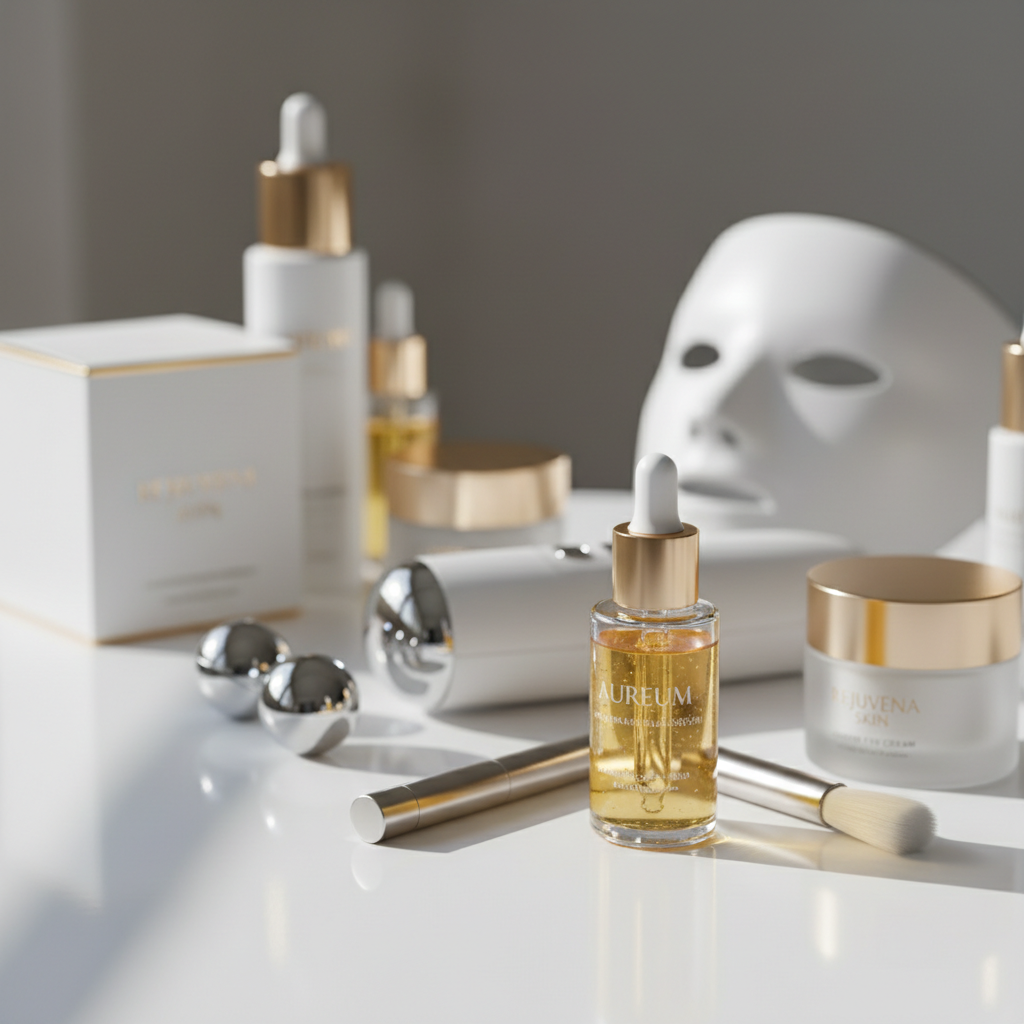
Myth 5: You Only Need Anti-Aging Products in Your 40s
It's a myth that anti-aging products should only be used in your 40s. Experts recommend incorporating anti-aging products in your late 20s or early 30s to prevent signs of aging. Starting early with products that boost collagen and protect against environmental damage can help maintain youthful skin longer.
Conclusion: Trust the Experts
In a world full of skincare myths, it's crucial to rely on expert advice. Chennai's dermatologists encourage individuals to consult with professionals and base their skincare routines on science-backed information. By debunking these common myths, you can achieve healthier, more radiant skin.